From Sensor Trigger to Drone in the Air: Field Sensors That Add Up to a Decision
One soil reading is a data point. Many readings, read together with the weather and your field history, are a decision. Here is how Feathergrid gets from field sensors to "launch the drone", with your rules deciding who approves.
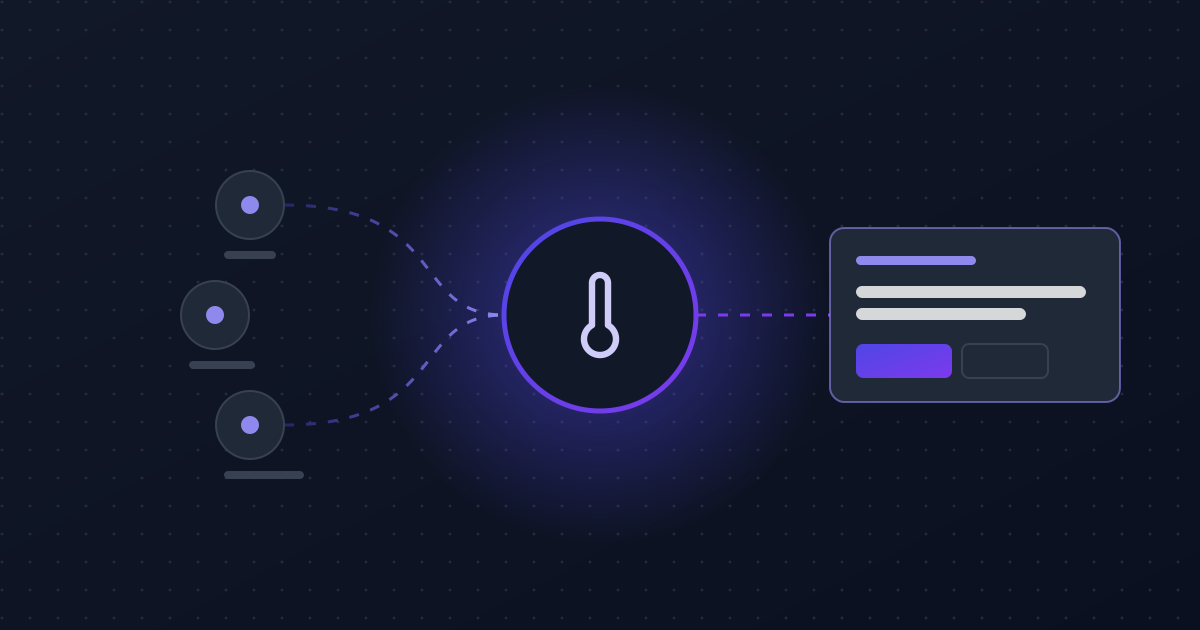
Feathergrid reads your field sensors together, not one at a time. When a soil moisture dip, a dry forecast and a calm morning add up to a risk, it tells you your next move, like "launch the drone at 6 a.m., north field first", with the reasons attached. Your rules decide whether that runs on its own or waits for a person.
Here's how it gets from a sensor reading to a drone in the air.
Why isn't one sensor enough?
Because one reading rarely tells you what to do.
A soil moisture sensor dipping just under target could be nothing. The same dip, with three dry days ahead, a calm wind window at dawn and the same pattern that cost you yield two seasons ago, is a different story. The answer lives in how the readings relate to each other, not in any single one.
Most sensor setups report each reading on its own and leave someone to connect the dots later. By then the window to act has often closed.
How does Feathergrid connect the readings?
It looks for what's related:
- Same time. Readings that move together.
- Same place. Sensors in the same field, zone or site.
- One thing leading to the next. A moisture drop that comes before crop stress.
- A pattern it has seen before. This combination last showed up before a loss.
Under the hood, Feathergrid uses graph methods, including Node2Vec, to learn which sensors, places and events belong together. More in Finding Relatedness in Data.
The same dip, with three dry days ahead, a calm wind window at dawn and the same pattern that cost you yield two seasons ago, is a different story.
What does the farm manager actually see?
Not another chart. Your next move:
Launch the drone at 6:00 a.m. North field first. Soil moisture in the north field is 28%, just under target. The next 72 hours are dry. Wind drops below 10 mph at dawn.
Every recommendation shows the reasons and how often recommendations like it have been right before. Alerts go out within seconds.
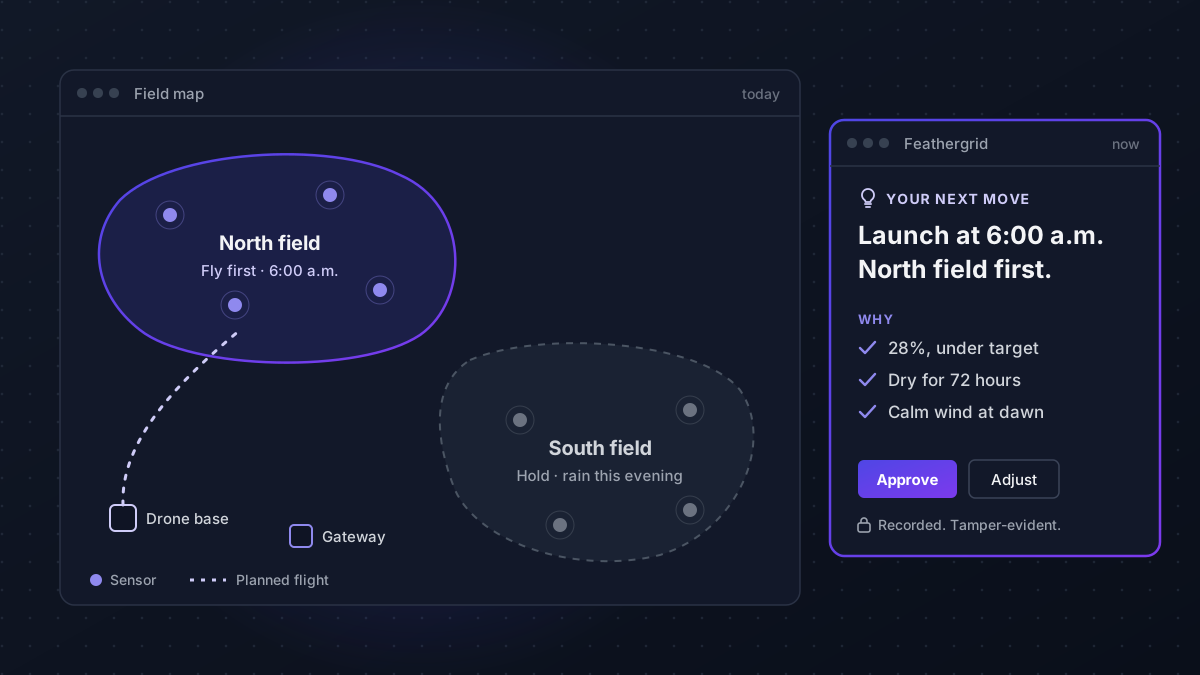
Tap the diagram to open it full size.
Who decides whether the drone launches?
You do. Feathergrid can launch it on its own, but only if you've set it up that way. Your rules decide:
- Routine steps run on their own. You choose which ones, and whether that includes the drone.
- Big calls wait for a person. The farm manager approves, adjusts or passes.
- One switch stops everything. Every automated action, at once.
Every recommendation, approval and action goes on Feathergrid's tamper-evident record, so you can always see what happened, when, and who said yes.
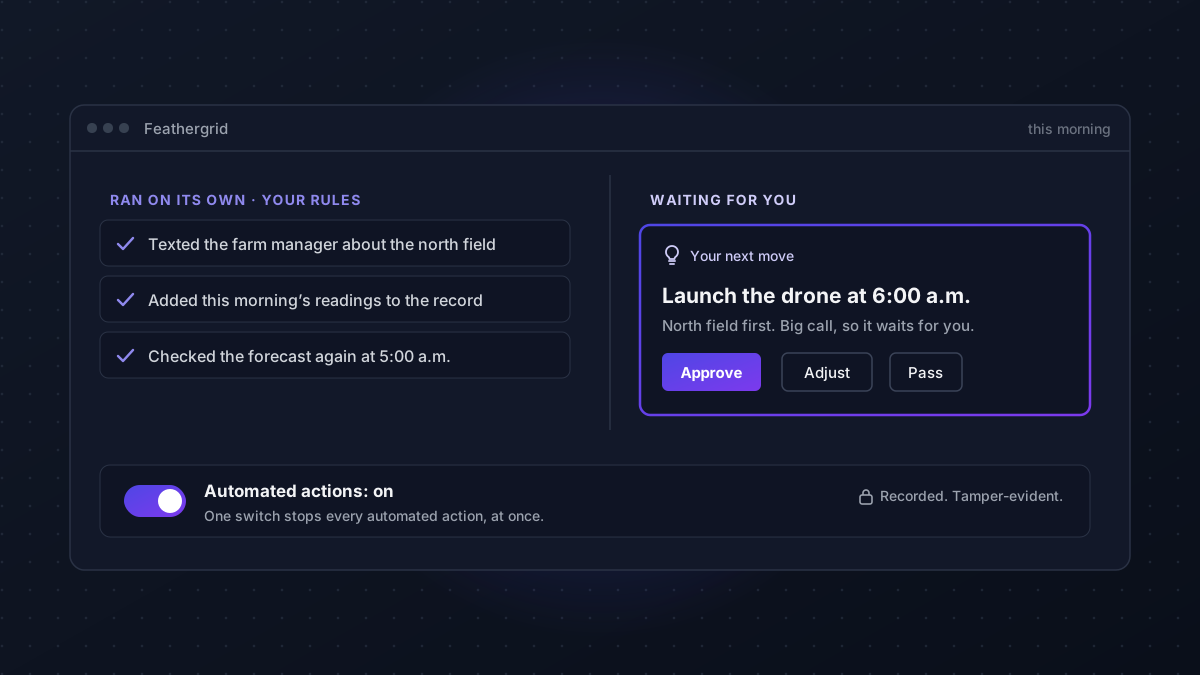
Tap the diagram to open it full size.
What if the farm has a weak connection?
Feathergrid works at the edge. Sensors connect to a gateway on-site, and correlation and dispatch can run right there. If the connection drops, Feathergrid keeps working from the latest picture it has.
Starting from nothing? The starter sensor pack, included with annual founding plans, ships a gateway with temperature, humidity and leak sensors already linked to your site. More in Feathergrid at the Edge.
Where does the data go?
Feathergrid runs on Microsoft Azure in the United States. Your data is encrypted in transit and at rest, kept separate for each organization, and never used to train AI models. AWS holds only the fingerprints that anchor the tamper-evident record. Enterprise customers can run Feathergrid in their own cloud. See Feathergrid on Azure and AWS.
Does this only work on farms?
No. The farm is just easy to picture. The same pattern fits anywhere sensors need to add up to a response:
- Field equipment. Pumps and compressors that give early warning signs. See field equipment.
- Logistics. Trailers, docks and cold chain. See logistics.
- Food service. Coolers and kitchen equipment across locations. See food service.
- Critical infrastructure. Utilities, water and emergency operations. See government.
The short version
Sensors on their own report. Feathergrid reads them together, tells you your next move and why, and your rules decide what runs on its own. On the farm, that's the difference between finding crop stress on Thursday and flying the drone on Tuesday.
See the agriculture use case or book a scoping call.
Topics