Forecast-Fused Dispatch: When Weather Data Pulls the Trigger
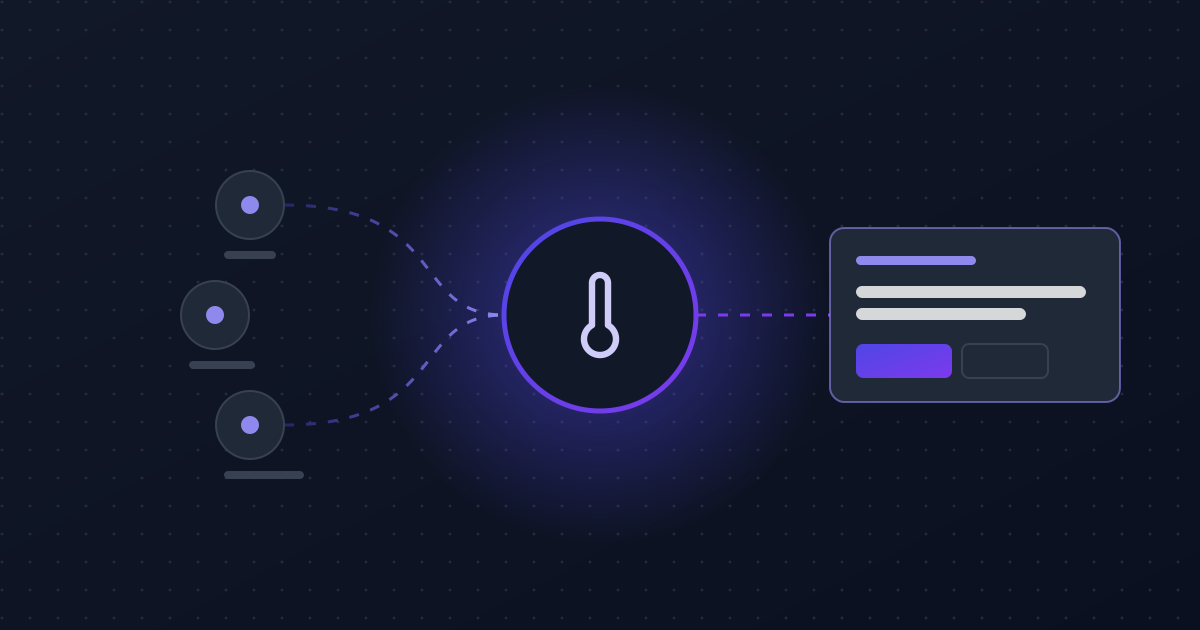
A sensor tells you what is happening now. A forecast tells you what happens next. Feathergrid reads both together, so the call is not just whether to launch a drone, but when, and which field goes first.
Feathergrid reads weather forecasts alongside your sensors. A moisture dip with three dry days ahead is a reason to fly. The same dip with rain due tonight is a reason to wait. Feathergrid tells you which, and why, so the drone goes where it's needed, when it'll do the most good.
Why isn't a sensor threshold enough?
Because a threshold only knows what's happening now.
"Fly when moisture drops below 30%" works until the weather gets involved. Launch into a strong crosswind and coverage suffers. Treat a field that rain will soak in a few hours and you've wasted a flight, while the field that stays dry waits its turn.
The threshold didn't fail. It just couldn't see what was coming.
What does Feathergrid read?
Everything that changes the call:
- Sensors. Soil moisture, leaf wetness, humidity and temperature in each zone.
- Forecasts. Weather, wind and rainfall, through the forecast service you already use.
- Your records. Field and crop records, drone flight logs, and past seasons for every field.
Feathergrid's connectors are built to work with APIs, so a weather service is one more source, not a project.
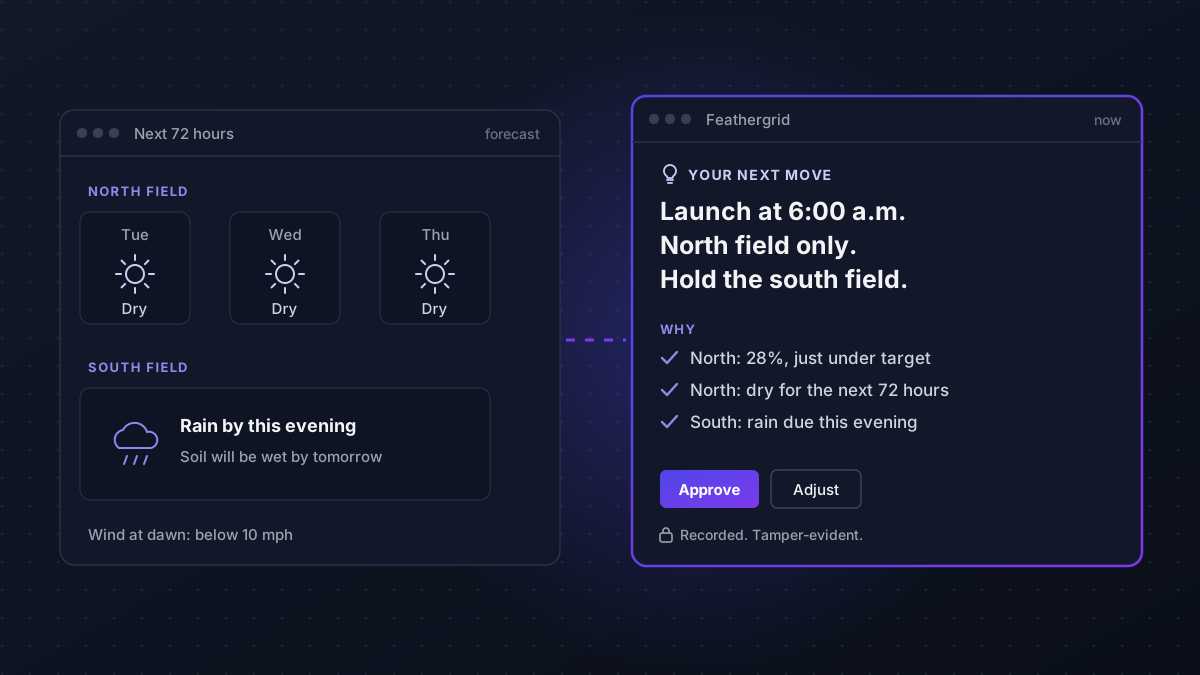
Tap the diagram to open it full size.
Feathergrid tells you which, and why, so the drone goes where it's needed, when it'll do the most good.
How does the forecast change the decision?
It changes three things:
- Whether to act. A reading that's borderline today matters more if the next three days are dry.
- When to act. A calm, dry window at dawn is a better launch than a gusty afternoon.
- Where to go first. The field facing the longest dry spell goes ahead of the one rain will reach tonight.
What does that look like on a real morning?
Two fields cross the same moisture line overnight.
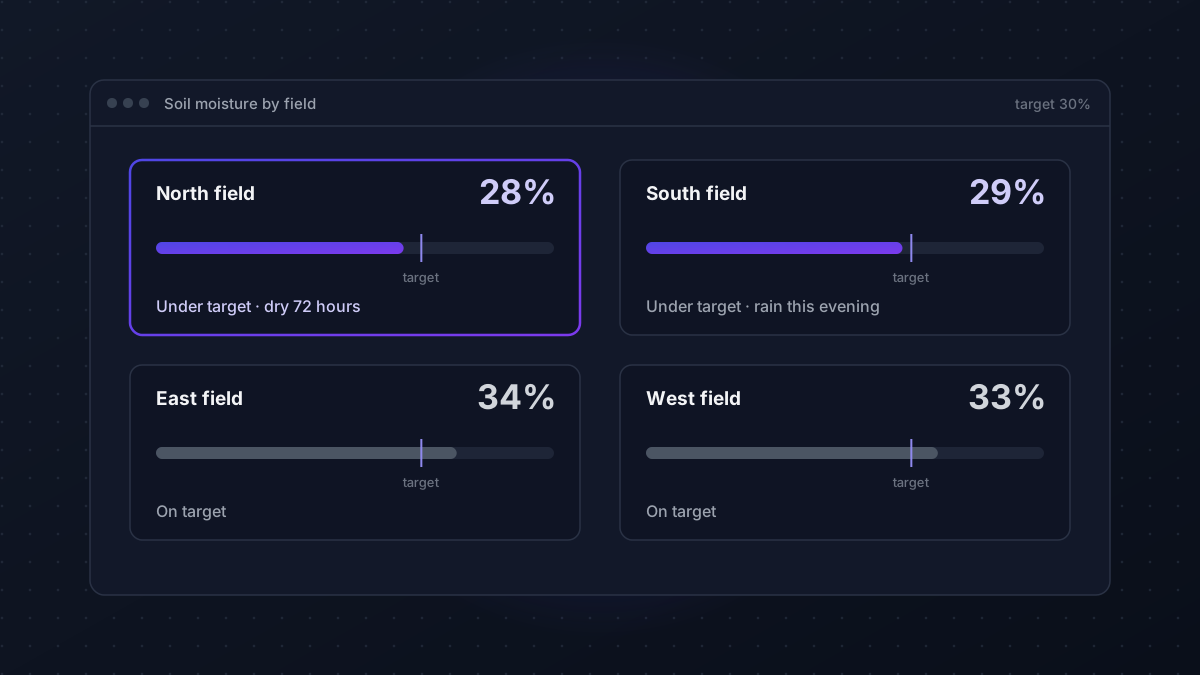
- North field: 28%, just under target. Dry for the next 72 hours. Wind below 10 mph at dawn.
- South field: 29%, just under target. Rain forecast by this evening.
Feathergrid's next move:
Launch the drone at 6:00 a.m. North field only. Hold the south field: rain is on the way.
The reasons are attached, along with how often recommendations like it have been right before. If the rain doesn't come, the south field is back in the queue.
Who approves the flight?
Your rules decide. Feathergrid can launch the drone on its own if you've chosen that; otherwise it waits for a person. Routine steps run on their own. Big calls wait for a person. One switch stops everything. Every recommendation, approval and action goes on Feathergrid's tamper-evident record.
Tap the diagram to open it full size.
Where does it run?
In the cloud, at the edge, or both. The application and your data run on Microsoft Azure in the United States, and enterprise customers can run Feathergrid in their own cloud. On a farm with a patchy connection, sensors connect to a gateway on-site, correlation and dispatch can run right there, and if the connection drops Feathergrid keeps working from the latest picture it has. More in Feathergrid at the Edge.
Where else does weather change the call?
Anywhere conditions decide the timing of a field response:
- Utilities. Sending crews or inspection drones ahead of ice, wind or heat.
- Logistics. Rerouting cold-chain loads around a heat wave. See logistics.
- Field equipment. Scheduling maintenance before a storm takes a site offline. See field equipment.
- Emergency operations. Staging resources before the weather peaks. See government.
The short version
Sensors tell you what's happening. Forecasts tell you what happens next. Feathergrid reads both and tells you your next move: fly now, fly first, or wait for the rain.
See the agriculture use case, read From Sensor Trigger to Drone in the Air, or book a scoping call.
Topics