The Restaurant Common Operating Picture
Point of sale, apps, cameras and sensors, read together across every location. Here is how Feathergrid gives restaurant operators one picture of the shift, and tells the right person the next move before guests notice.
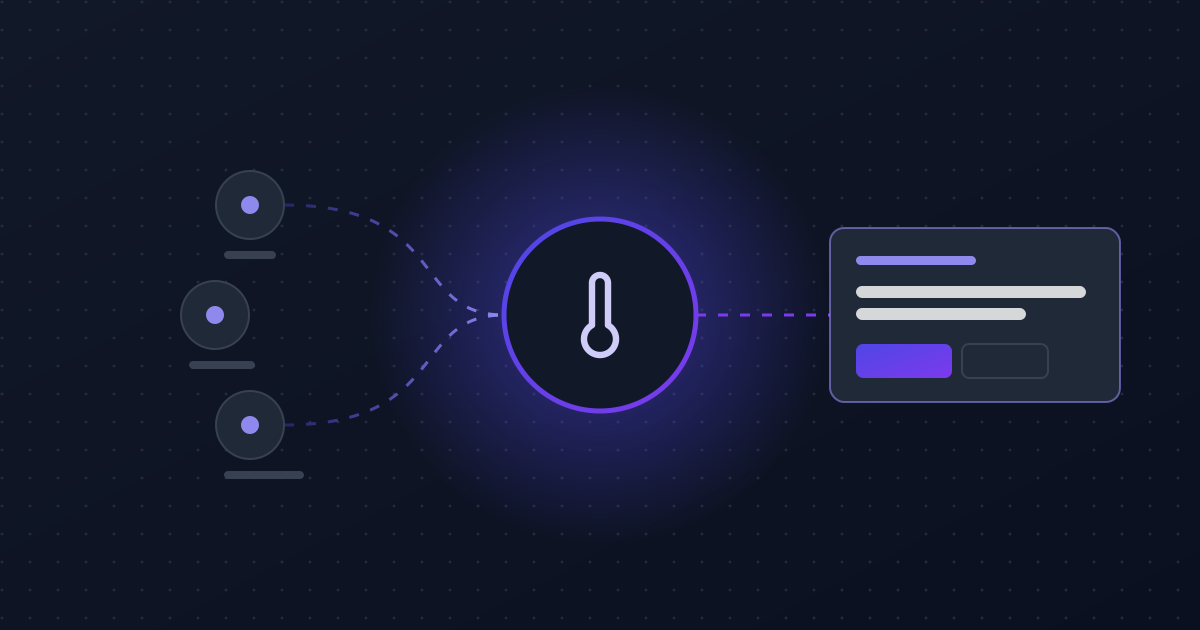
Feathergrid gives restaurant operators one picture of every location. It connects the point-of-sale systems, apps, cameras and sensors you already have, works out which small problems add up to a big one, and tells the right person the next move, from the shift manager to the ownership group.
That's the Common Operating Picture. Here's how it works.
What problem does it solve?
A busy restaurant isn't short on information. It's short on one place to see it.
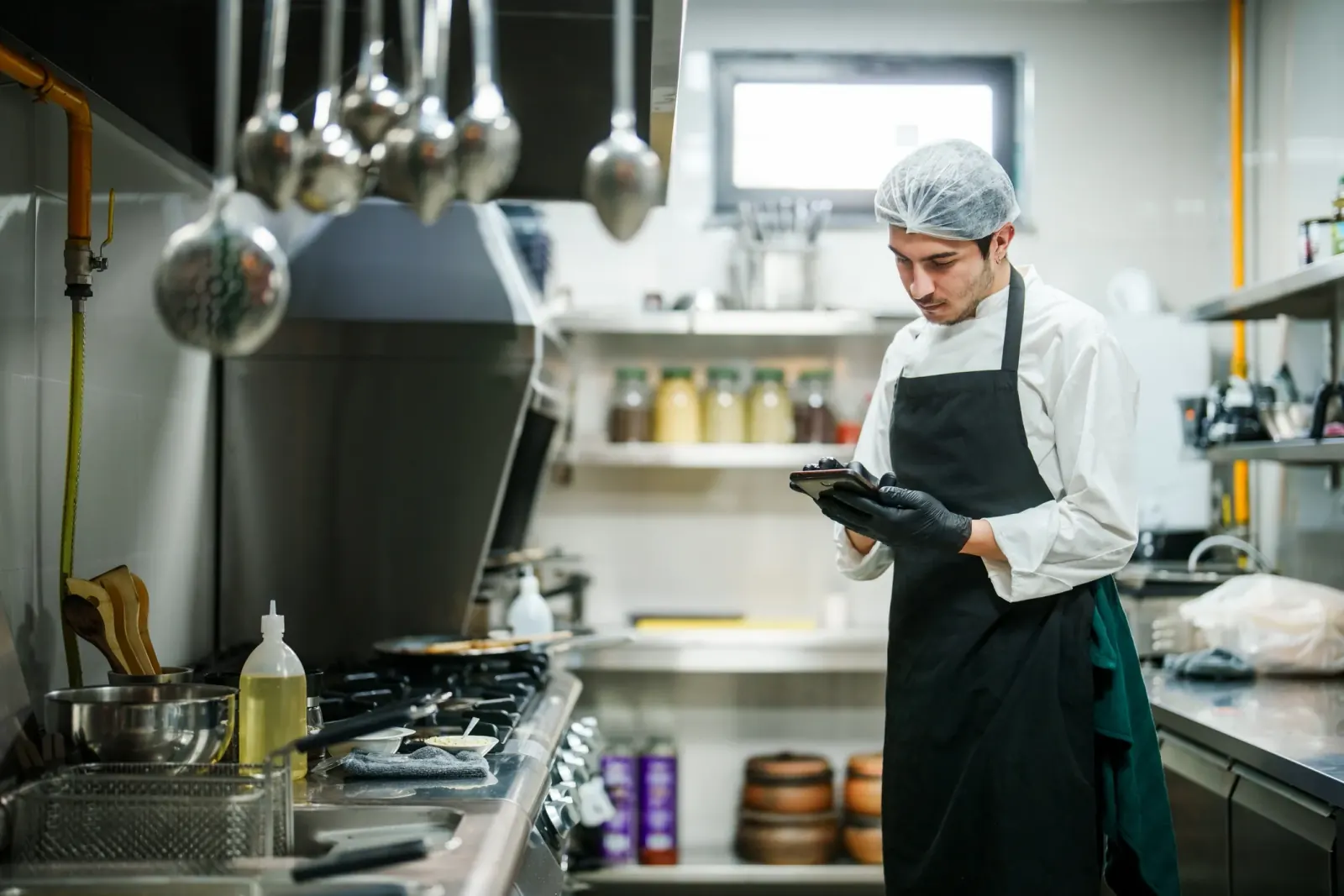
The cooler alert lives in one app. The wait time lives in the POS. The camera feed is on a screen in the office. The checklist is on a tablet by the pass. During a dinner rush, nobody has time to check four places, so problems get found late, usually by a guest.
Each one is a clue. Together, they're the story. But only if something reads them together and gets the right task to the right person.
What does Feathergrid connect?
What you already run:
- Temperature and humidity. Walk-in coolers, freezers, hot-holding, the prep line and the dining room.
- Equipment sensors. Refrigeration, fryers, ovens, dishwashers and HVAC.
- Cameras. What's happening on the floor and in the kitchen, focused on operations.
- Apps. Checklists, scheduling and the tools your team already uses.
- Point of sale. Sales, ticket times, reservations and order backlog.
Feathergrid's connectors are built to work with APIs, so there's no rip-and-replace.
What does the operating picture show?
Three views, one picture:
- Alert queue. Alerts sorted by what matters most, each with an owner, the next move and a deadline. Alerts go out by text and email within seconds.
- Task board. Each alert becomes a task with the recommended action, the owner and proof it's done.
- Owner view. Owners and regional leaders see open issues, repeat problems by location and food-safety history across every restaurant.
Every recommendation shows its reasons and how often recommendations like it have been right before.
How does it work across many locations?
Each location gets its own view, alerts and task board, scoped to its own sensors, staff and shifts. The restaurant group sets brand standards, thresholds and who approves what, once, across every location.
- The shift manager sees their shift.
- The regional leader sees their district.
- Ownership sees the whole group.
Everyone sees what they need, and nothing they don't.
What does a Friday night look like?
Three small things line up at one location:
- The walk-in cooler is running a degree warm.
- The door was propped open at lunch, and the camera caught it.
- Tonight is fully booked, and ticket times are already climbing.
None of those raises an alarm on its own. Together, Feathergrid tells the kitchen manager the next move: check the walk-in door and move tonight's prep to the reach-in before service peaks. The reasons are attached. The task lands on the board with an owner and a deadline.
Check the door. Move tonight's prep to the reach-in.
6:02 p.m. · Temperature sensor · Kitchen manager
Rolled up with the cooler alert.
12:40 p.m. · Camera · Kitchen manager
Open the second expo station before 7:00.
6:20 p.m. · Point of sale · Shift manager
Check the dining room setpoint.
6:25 p.m. · HVAC sensor · Shift manager
See Feathergrid for restaurants
What it connects, the three views, and what changes for multi-location operators.
Who decides what happens?
You do. Feathergrid acts on its own only where you've chosen that:
- Routine steps run on their own. You choose which ones.
- Big calls wait for a person.
- One switch stops everything.
Every recommendation, approval and action goes on a tamper-evident record, so you have the history for audits, inspections and coaching.
What about privacy and cameras?
Camera analytics focus on operational events, like a propped-open door, a long queue or a spill, not facial recognition or employee profiling. Your data is processed in the US, kept separate for each organization, and never used to train AI models.
What changes?
- Fewer food-safety surprises.
- Faster response to leaks, spills and equipment trouble.
- Shorter waits and better coverage on the floor.
- Less waste and fewer stock-outs.
- Clear ownership, from the line to the owners.
- A record of what happened, for audits and coaching.
The short version
Your POS, apps, cameras and sensors, read together. One picture for every location. The right person gets the next move, with the reasons, before the guest notices.
See Feathergrid for restaurants, the food service use case, or book a scoping call.
Topics